Galvicon: A Product Discontinued for 30 Years
In many specifications, tenders, and jobsite discussions, the term “Galvicon” is still used as a touch-up solution for galvanized steel. Yet the reality is clear:
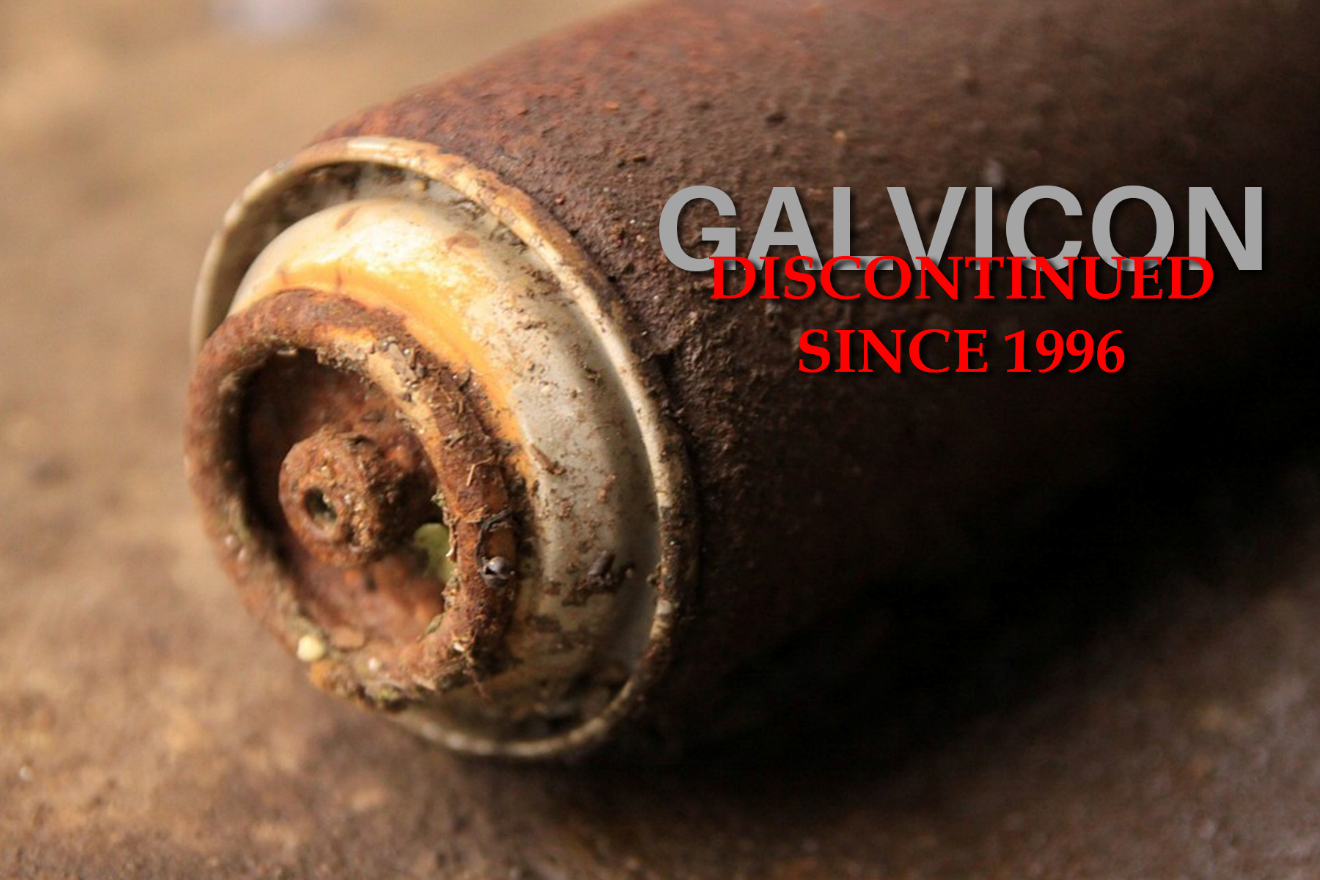
In many specifications, tenders, and jobsite discussions, the term “Galvicon” is still used as a touch-up solution for galvanized steel.
Yet the reality is clear: Galvicon has been discontinued since 1996—already 30 years ago.
Keeping it in technical documents now creates a significant grey area, both in terms of compliance with standards and the actual durability of structures.
Since disappearing from the market, the name Galvicon has become an informal generic term, often used:
👉 When a specification mentions “Galvicon,” it effectively means the contractor may use any product they choose, with no real performance obligation—and often without informing the owner.
Today, searching for “buy Galvicon” mostly leads to:
These products are generally:
In most cases, they offer visual masking only, with no real medium‑ or long‑term anticorrosion performance.
ASTM A780 clearly defines the requirements for touch‑ups on galvanized steel.
For any repaired area:
Commercial aerosols:
A key point often overlooked: galvanizers themselves use this type of solution in their plants.
Reputable galvanizers, including Corbec, use Rust‑Anode® Primer directly in their facilities for local touch‑ups after galvanizing, particularly for:
When a product is accepted and used by a galvanizer, it is no longer an improvised jobsite fix—it becomes an industrial practice aligned with normative and operational requirements.
In contrast, commercial aerosols are not used by galvanizers for structural or permanent touch‑ups intended for demanding environments.
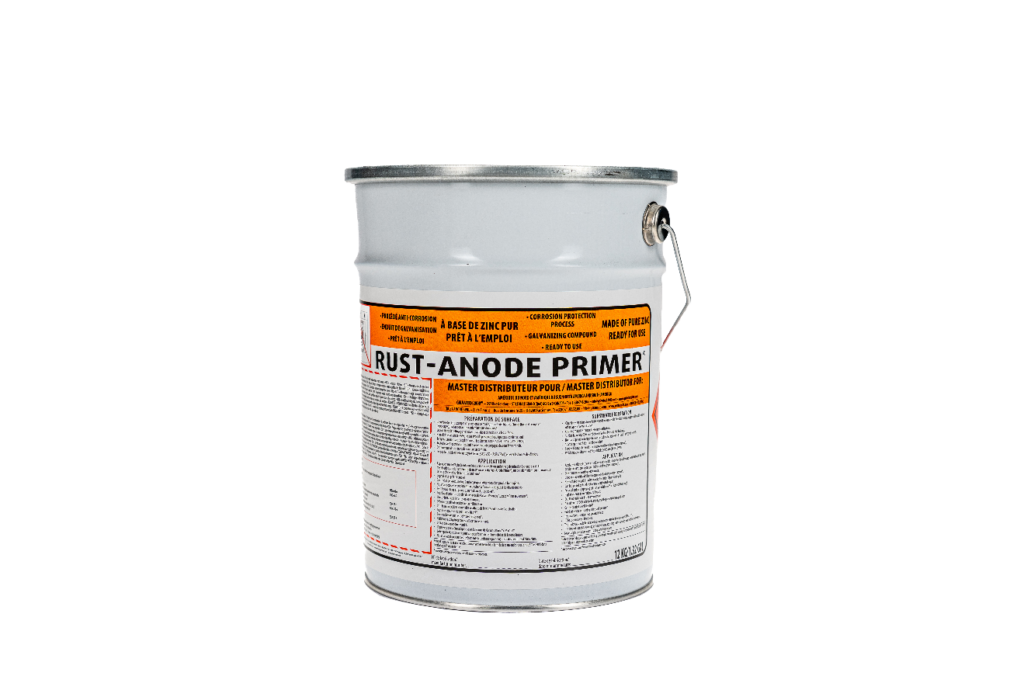
Rust‑Anode® Primer is:
It is a recognized technical solution—not a cosmetic product meant only for appearance.
Hydro‑Québec has officially removed aerosols from its specifications for galvanized steel touch‑ups.
Main reasons:
This decision reflects a now well‑documented reality:
aerosols do not meet the durability requirements of critical infrastructure.
Continuing to specify “Galvicon” or “galvanized aerosol touch‑up” amounts to:
Conclusion – Ending an outdated practice
It is time to update technical documents, clearly specify compliant solutions, and stop perpetuating a technical myth.
The Rust-Anode® technology allows for on-site zinc recharging of new or used structures damaged by rust or corrosion and offers the same performance as hot-dip galvanization.
In many specifications, tenders, and jobsite discussions, the term “Galvicon” is still used as a touch-up solution for galvanized steel. Yet the reality is clear:
Galvatech 2000 is seeking a Business Development Manager to play a key role in its growth in Quebec and internationally. If you have strong experience
Prepare, Apply and Control with Precision In the coatings industry, a clear specification is far more than a simple costing tool. It is a true